

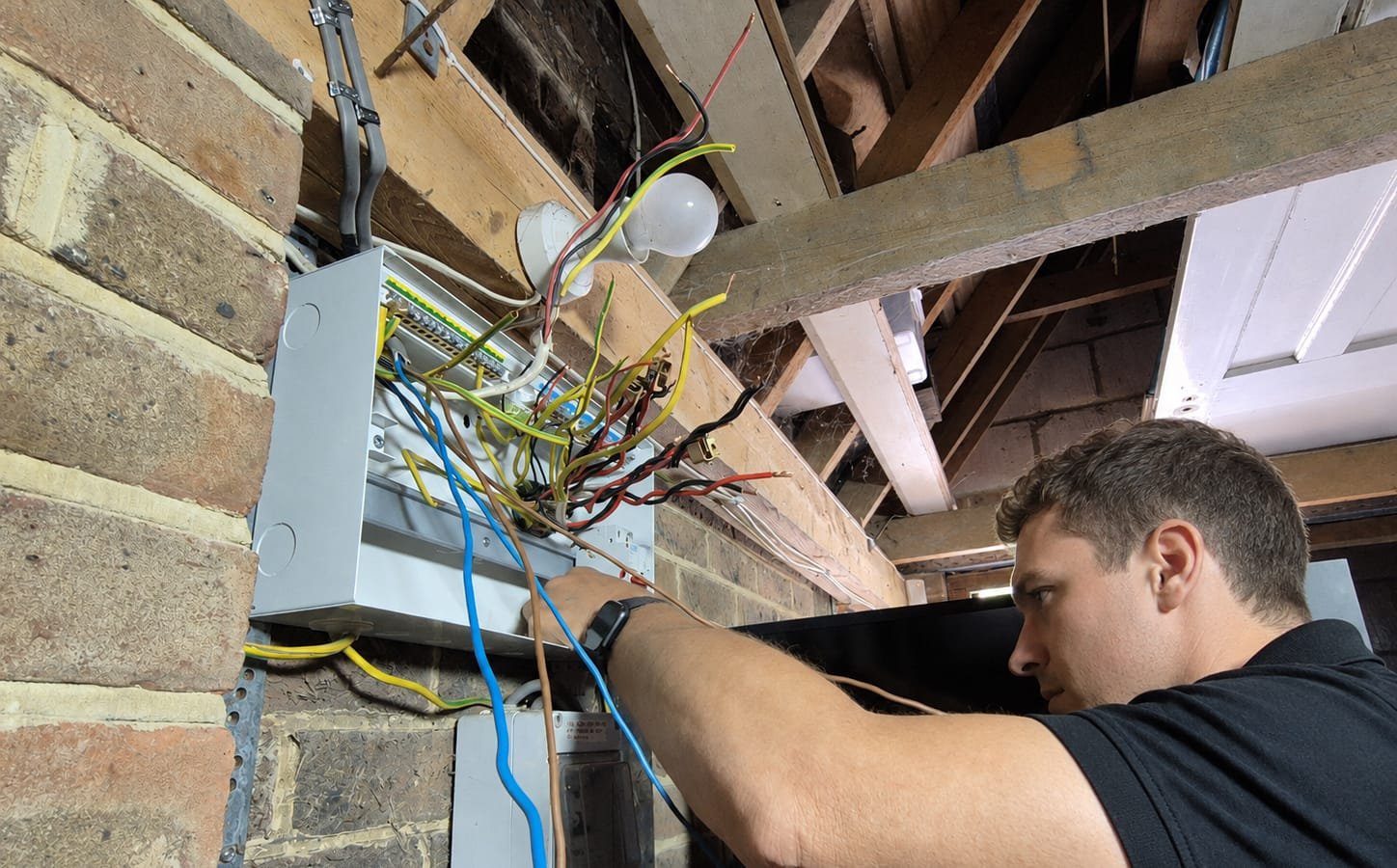
Fuse board and RCD upgrades
A modern board protects each circuit on its own, so one faulty appliance no longer takes the whole house out.
When a board needs replacing
Rewireable fuses, a board with no RCD protection at all, a plastic enclosure in a domestic property, or scorching around the terminals: any of these is a reason to look seriously at an upgrade.
A current consumer unit is a metal enclosure with individual RCBOs, which combine overload protection and earth leakage detection on every circuit. When a fault occurs, only the faulty circuit disconnects. Your freezer, your boiler and your lights stay on.
We also fit surge protection where it is worth doing, and we always test and record the condition of the existing wiring before we energise a new board onto it.
Call 01273 095564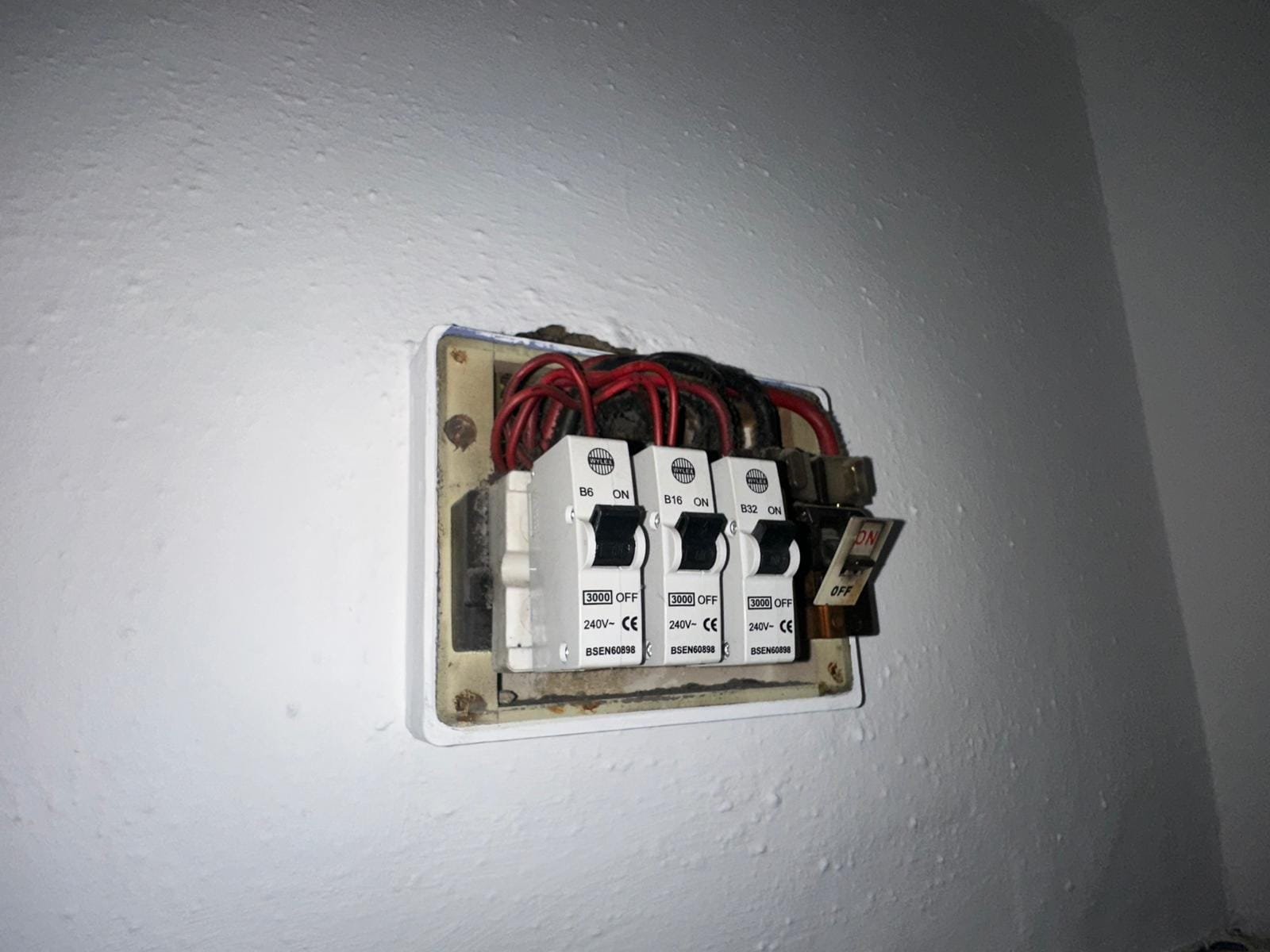
Signs your board deserves assessment
None of these means your board is dangerous today. Each one means it is worth knowing what protection you actually have.
Rewireable fuses
Ceramic or bakelite carriers with fuse wire inside. No earth leakage protection at all, and a design that predates most of the appliances plugged into it.
No RCD anywhere
A row of breakers with no test button means overload protection only. Nothing is watching for current leaking to earth through a person.
One RCD for everything
Split load boards put half the house behind each RCD, so a single fault takes out the freezer, the boiler and the lights together.
A plastic enclosure
Domestic boards are now required to be non-combustible. A plastic box is not an emergency, but it is a known fire consideration on the fire service record.
Heat or discolouration
Browning around a terminal, softened plastic or a warm cover means a connection is running hot and needs opening up now, not at the next inspection.
A board full of additions
Circuits added over the years by different hands, unlabelled ways and mixed device brands. Common, and usually the point where an upgrade tidies up years of drift.
What goes inside a modern board
Every part has a job. Knowing which you are getting, and why, is the difference between buying a box and buying protection.
Main switch
Isolates the entire installation in one movement. Knowing where it is and which way it turns off is the single most useful thing in an emergency.
RCD versus RCBO
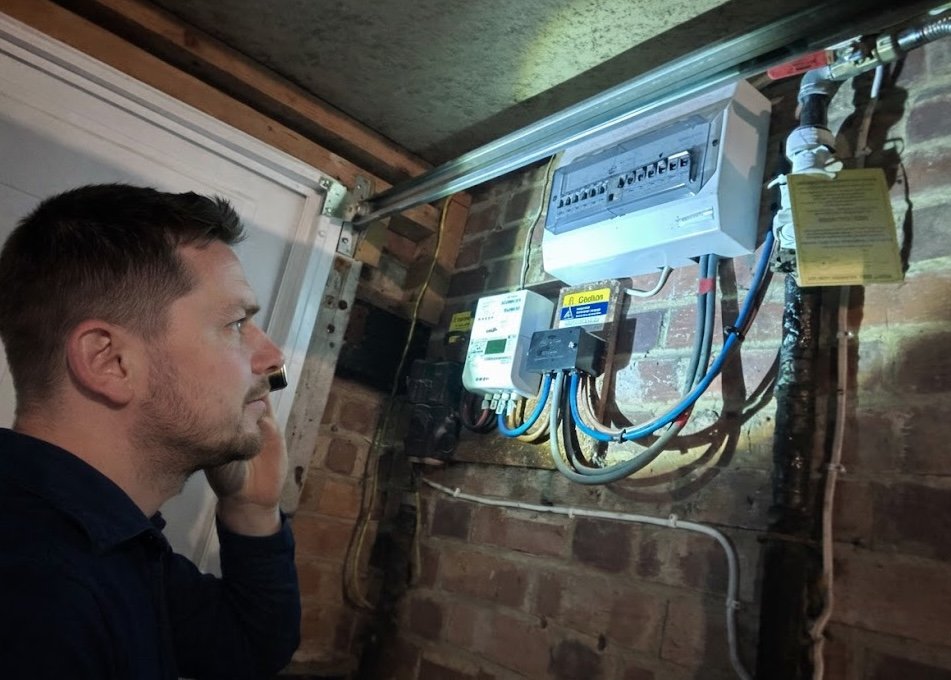
An RCD protects a group of circuits together. An RCBO combines that protection with the overload device on one circuit, so a fault disconnects only the circuit that caused it.
Type A protection
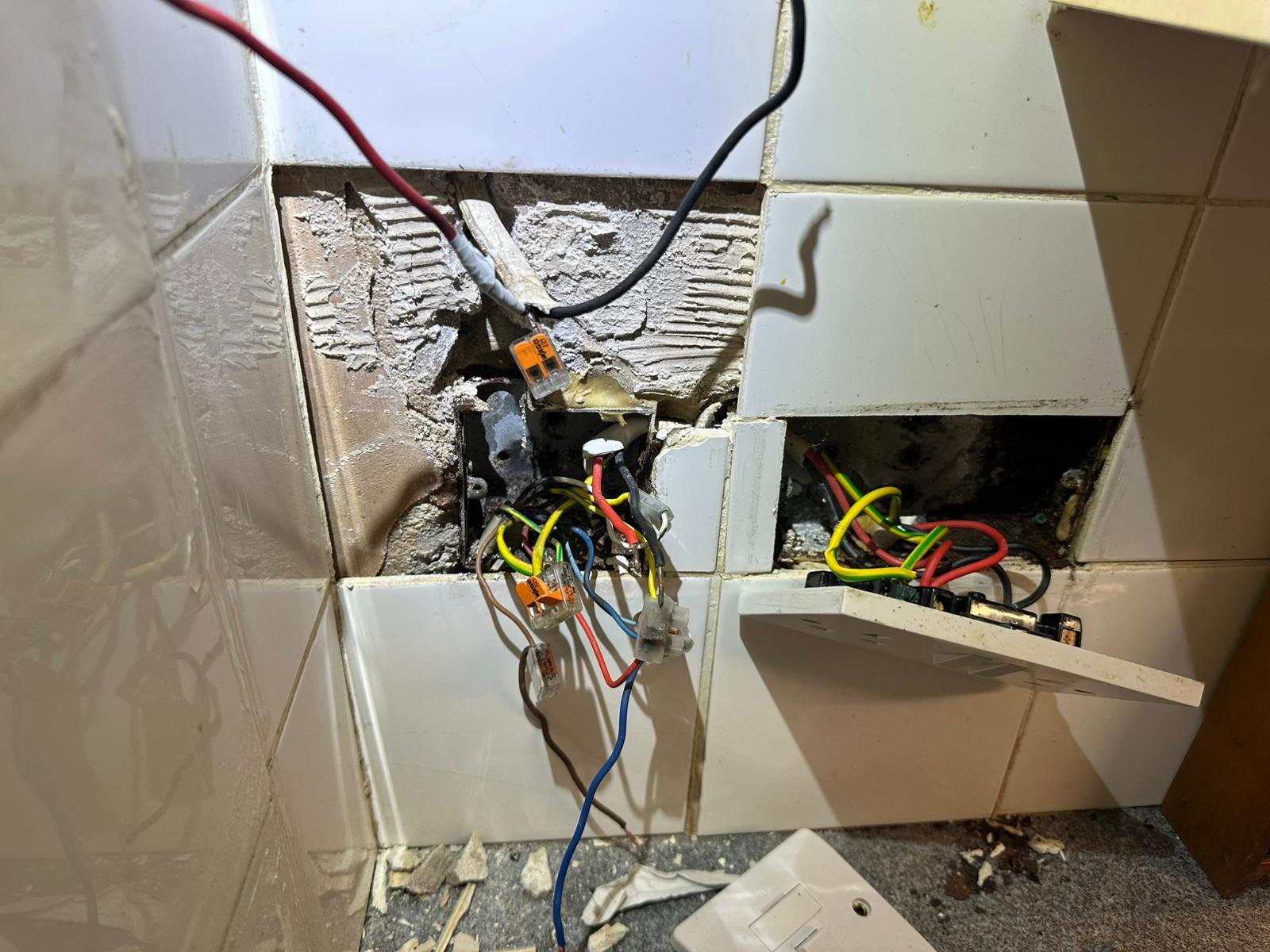
Modern appliances, LED drivers and EV chargers produce DC components that can blind an older Type AC device. Type A devices are specified to handle them, and are now the sensible default.
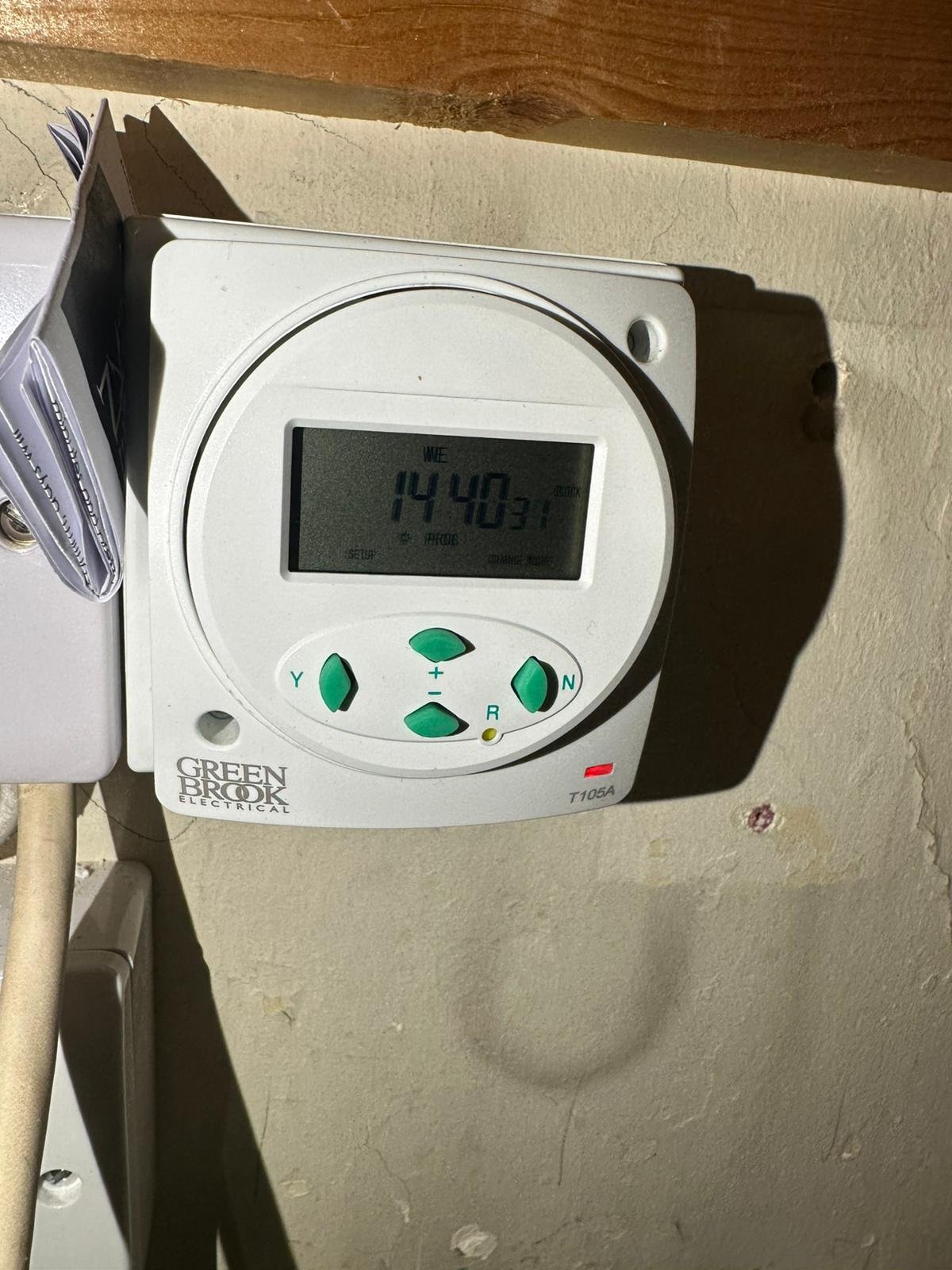
Surge protection (SPD)
Clamps transient overvoltage from lightning or switching events before it reaches your electronics. The current edition expects one in most new domestic boards unless a documented assessment says otherwise.
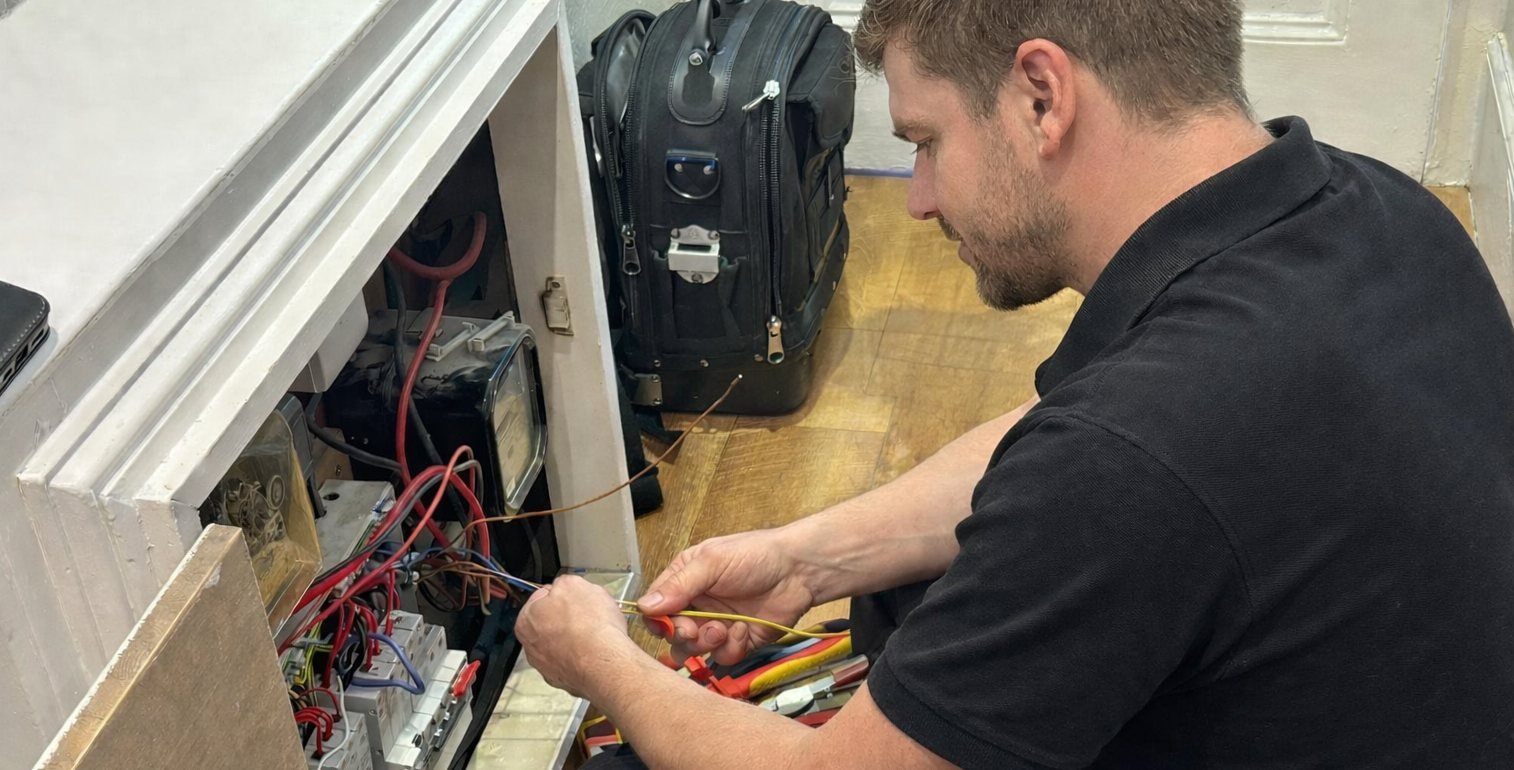
Arc fault detection (AFDD)
Detects the electrical signature of arcing, the sparking that starts fires but never trips a breaker. Required in some higher risk residential settings, worth considering elsewhere.
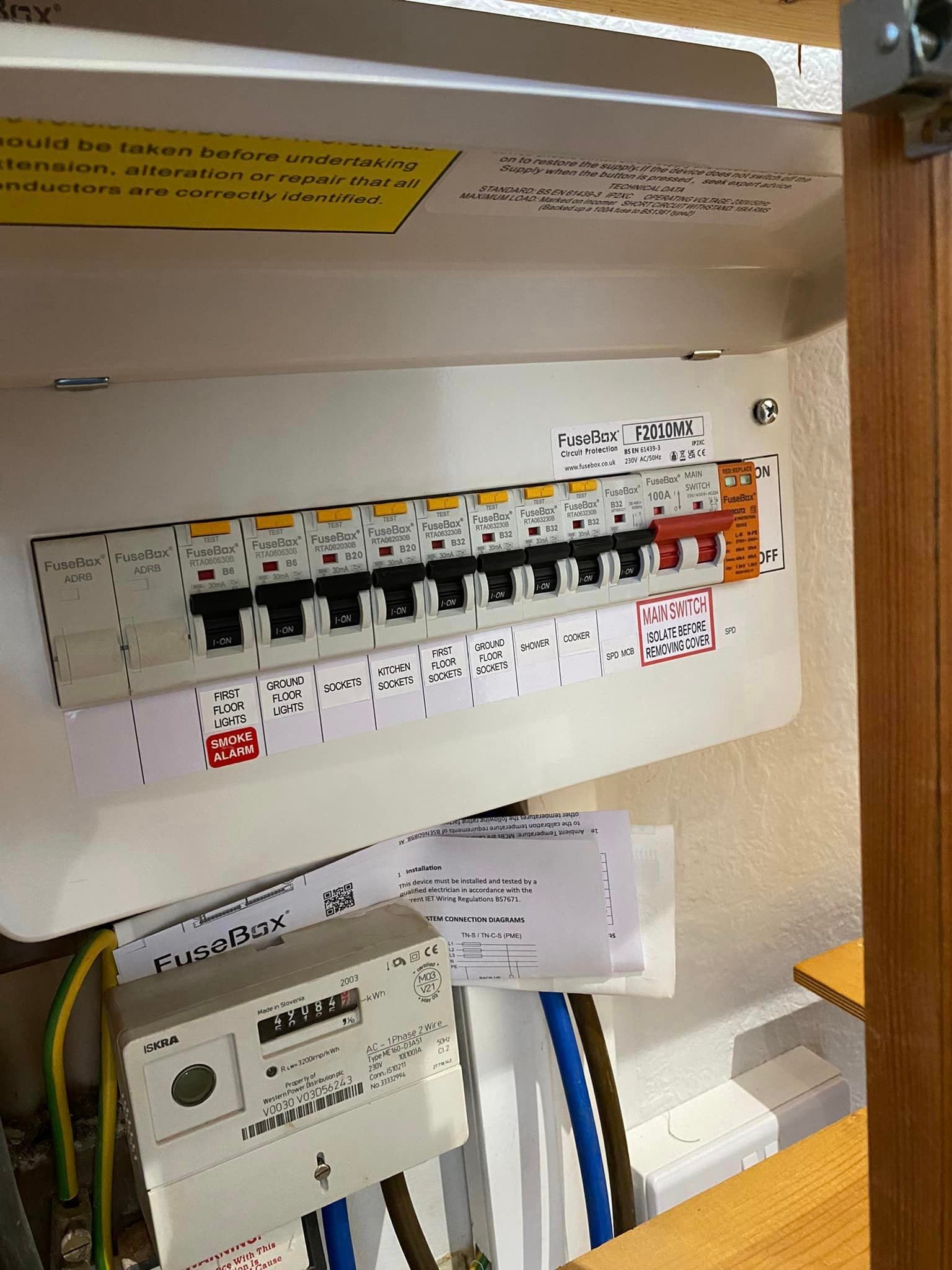
Metal enclosure
Non-combustible by requirement, so a failing termination inside is contained rather than fed by the box around it.
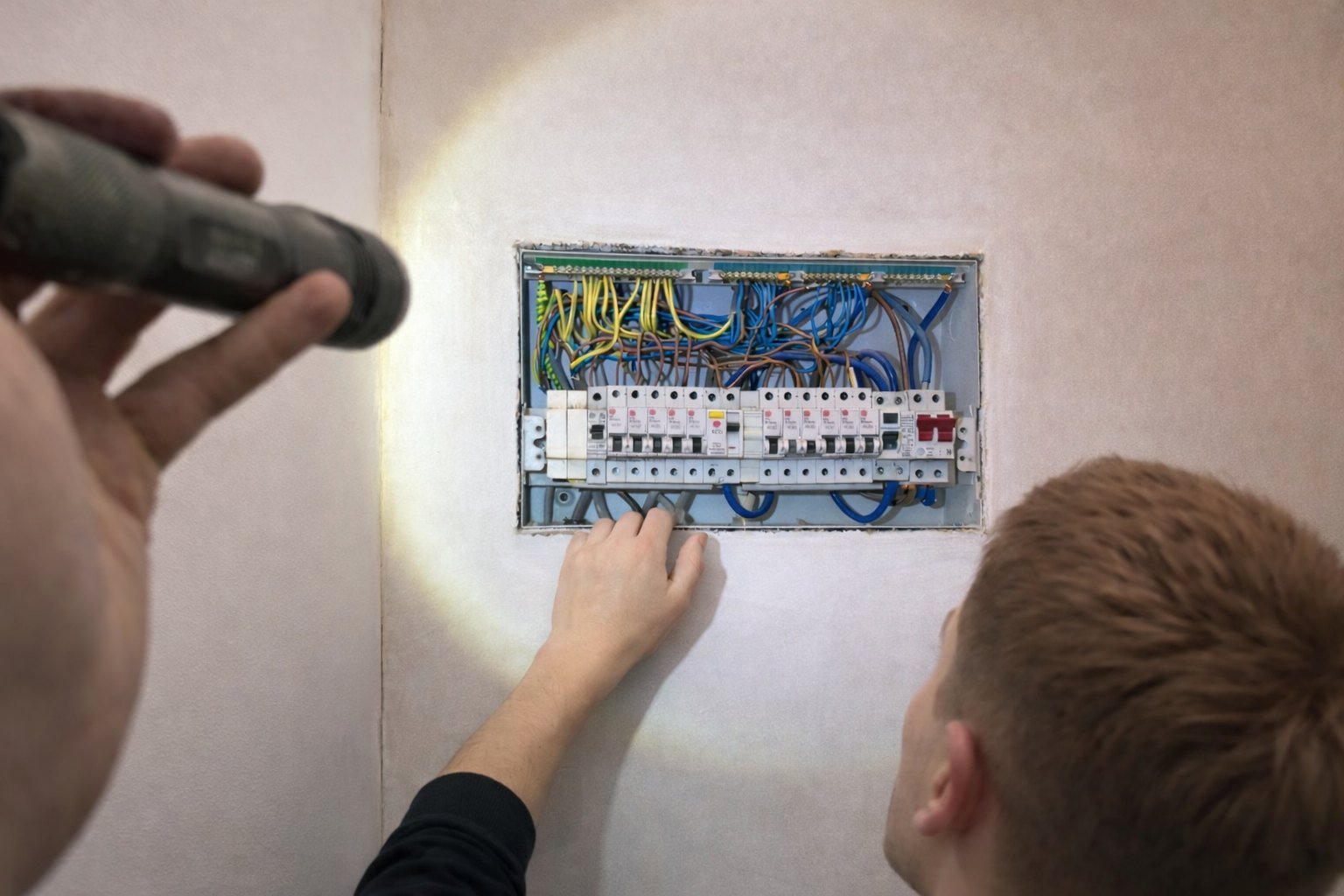
Circuit identification
Every way labelled with what it actually feeds, proved by testing rather than copied from the old board. It saves an hour of guessing at the worst possible moment.
Earthing and bonding
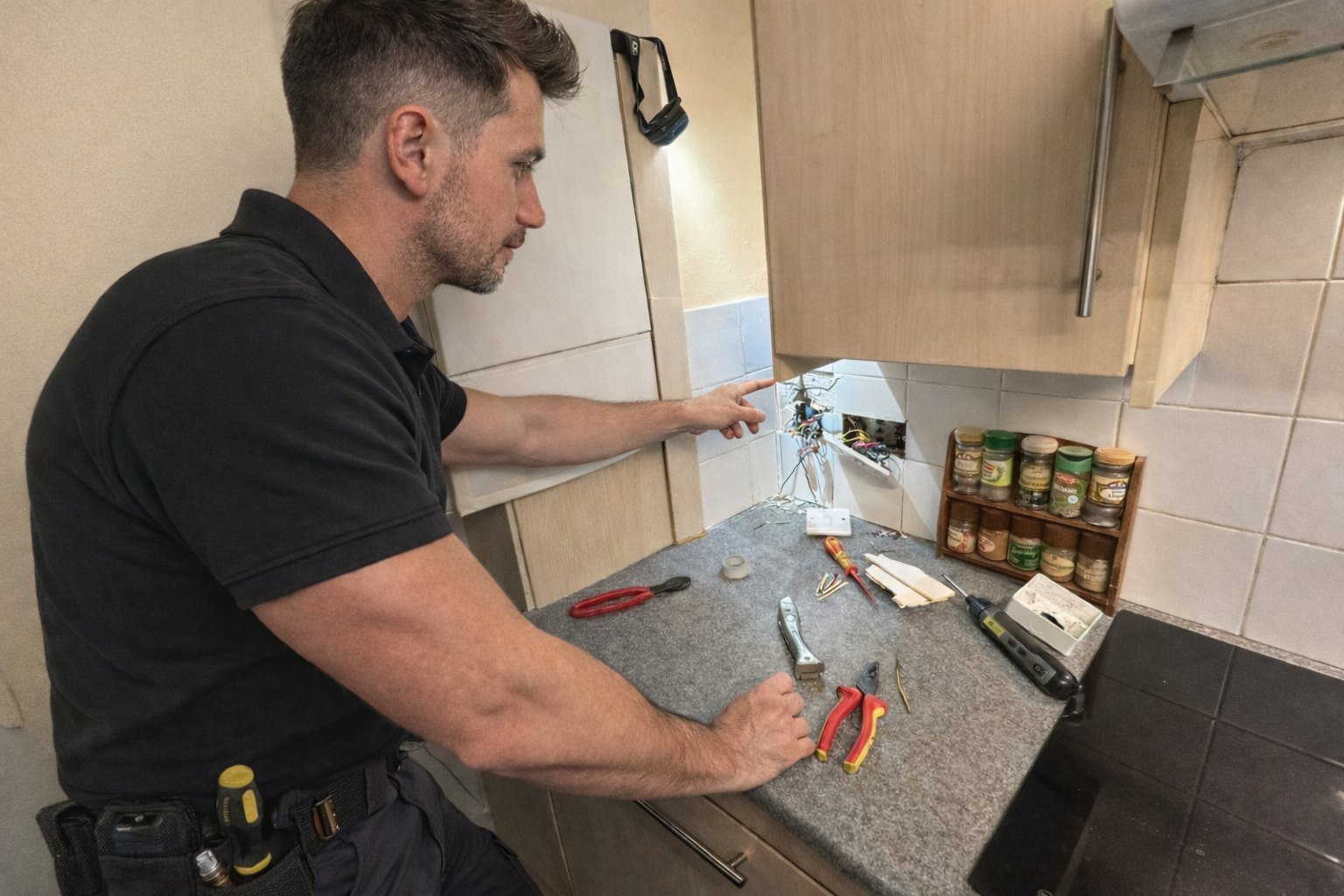
The board is only as good as the earth behind it. We verify the main earthing conductor and the protective bonding to gas and water, and upgrade them where they are undersized or missing.
How the installation runs
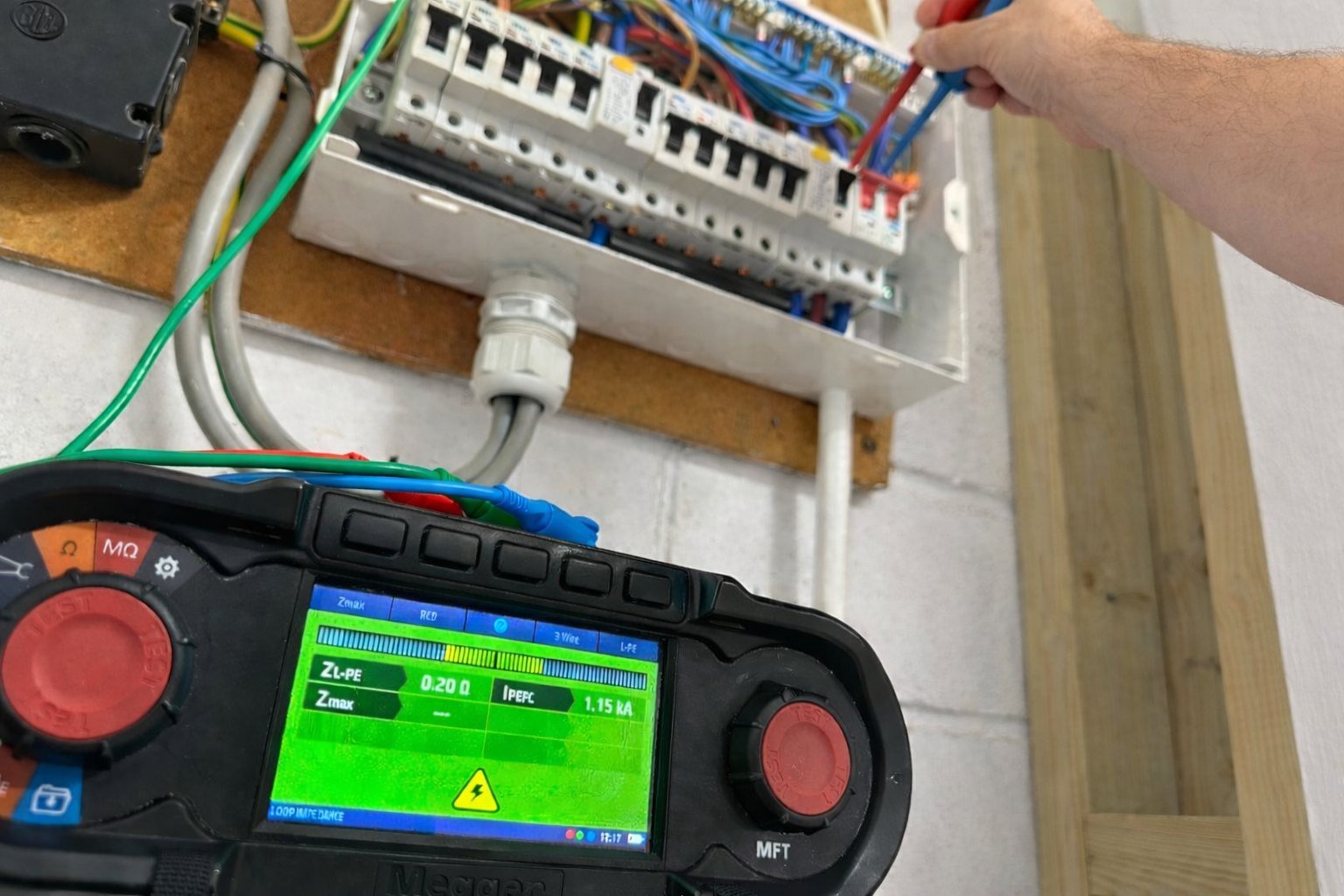
A straightforward domestic board change is a single day. This is how that day is spent.
Pre-installation testing
Before anything is disconnected we test the existing circuits. A new board on faulty wiring cannot be certified, so we need to know first, not halfway through.
Safe isolation
The supply is isolated properly. Where the cut-out fuse must be pulled we arrange it with your supplier rather than breaking a seal, which is both dangerous and an offence.
Circuits transferred
Each circuit is moved across, identified and labelled as it goes, with conductors cut back to sound copper where old terminations have overheated.
Full test sequence
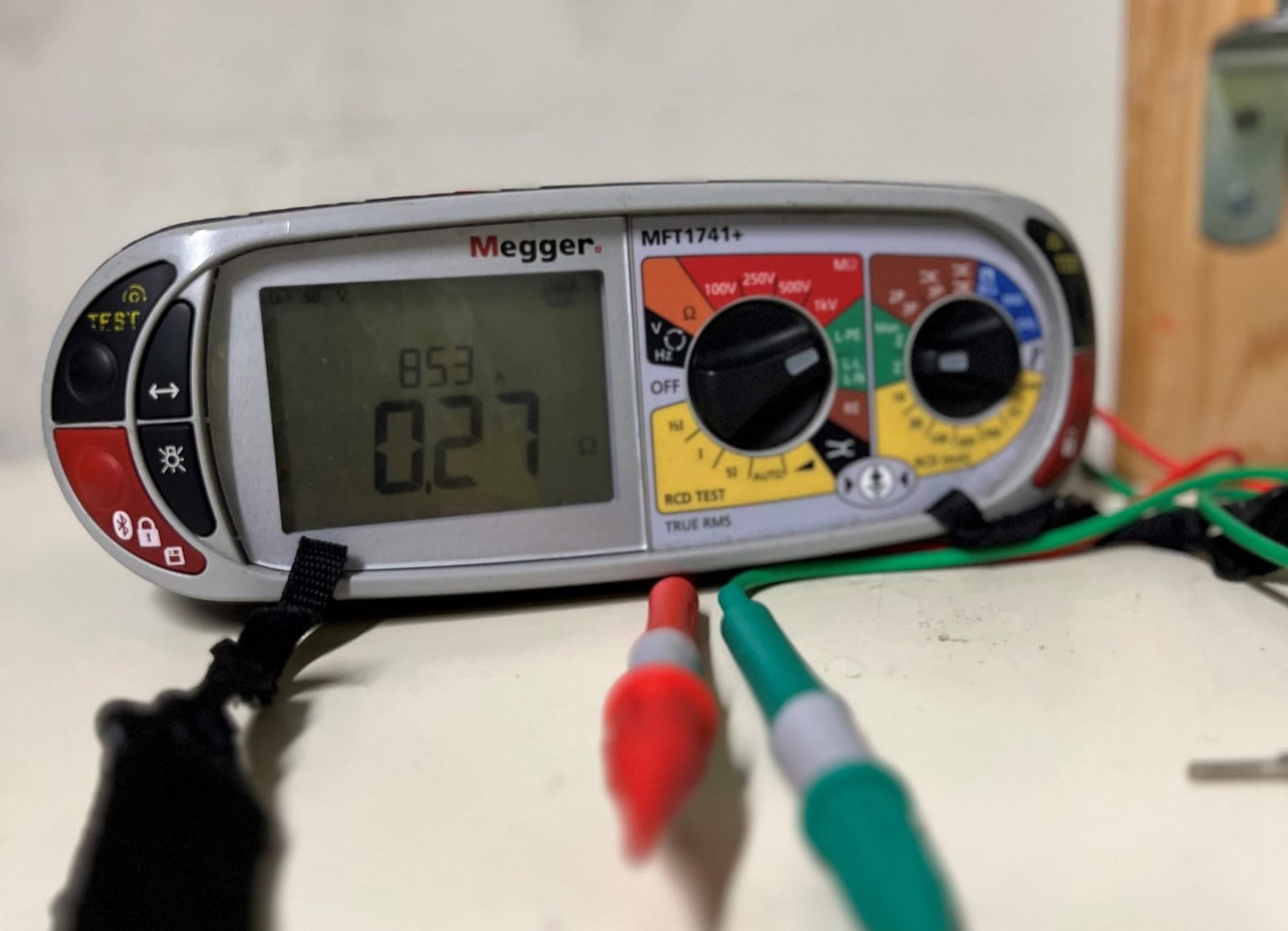
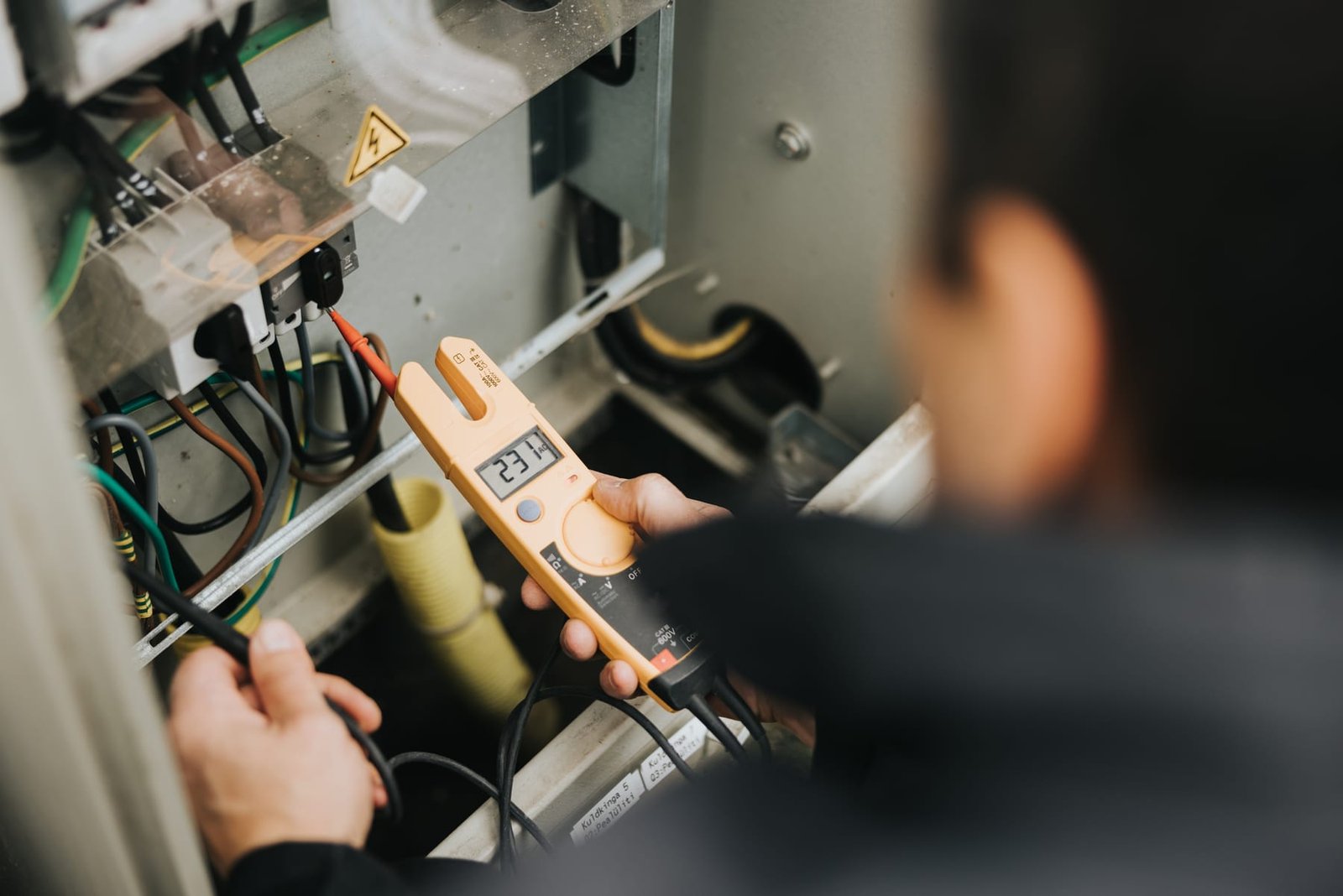
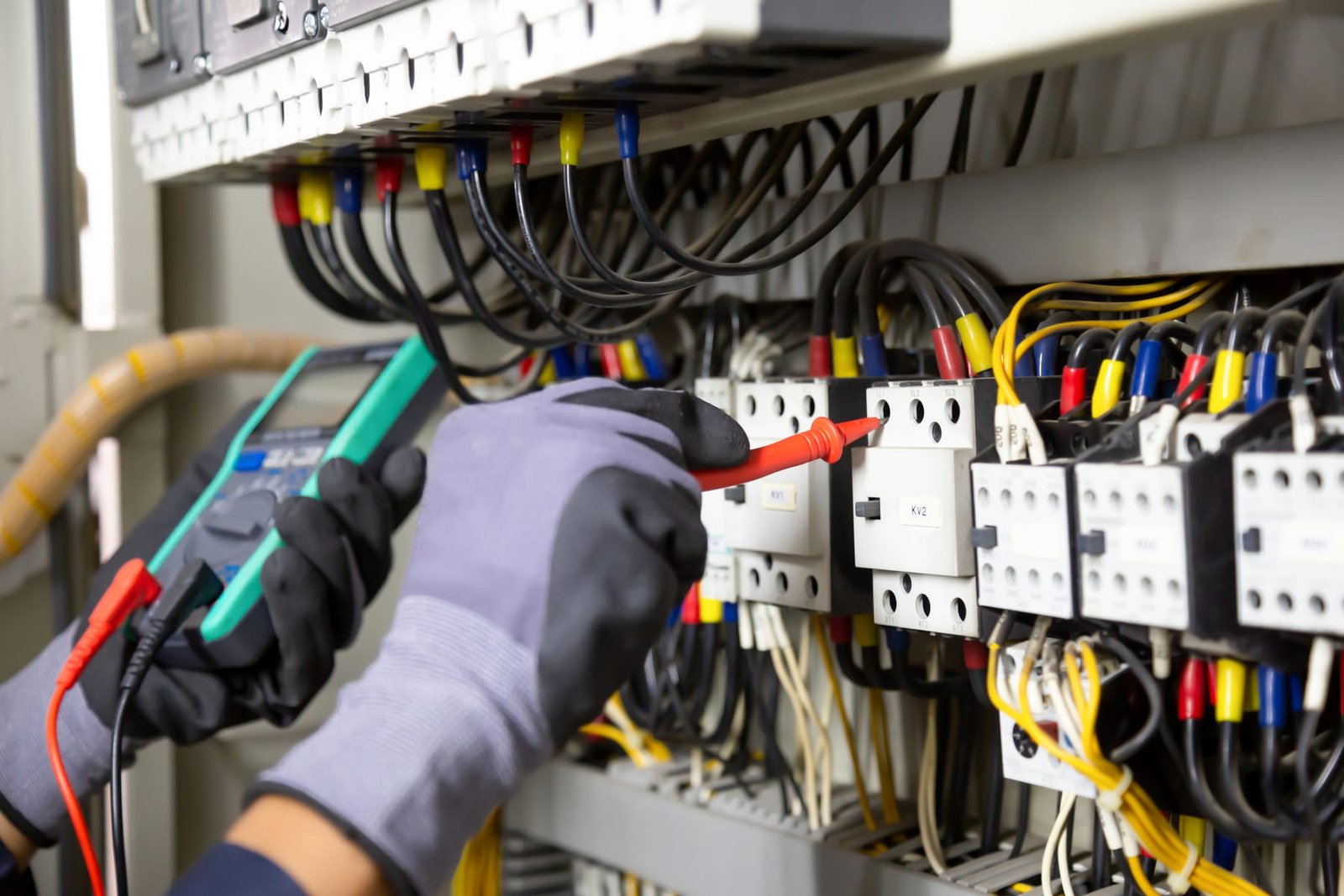
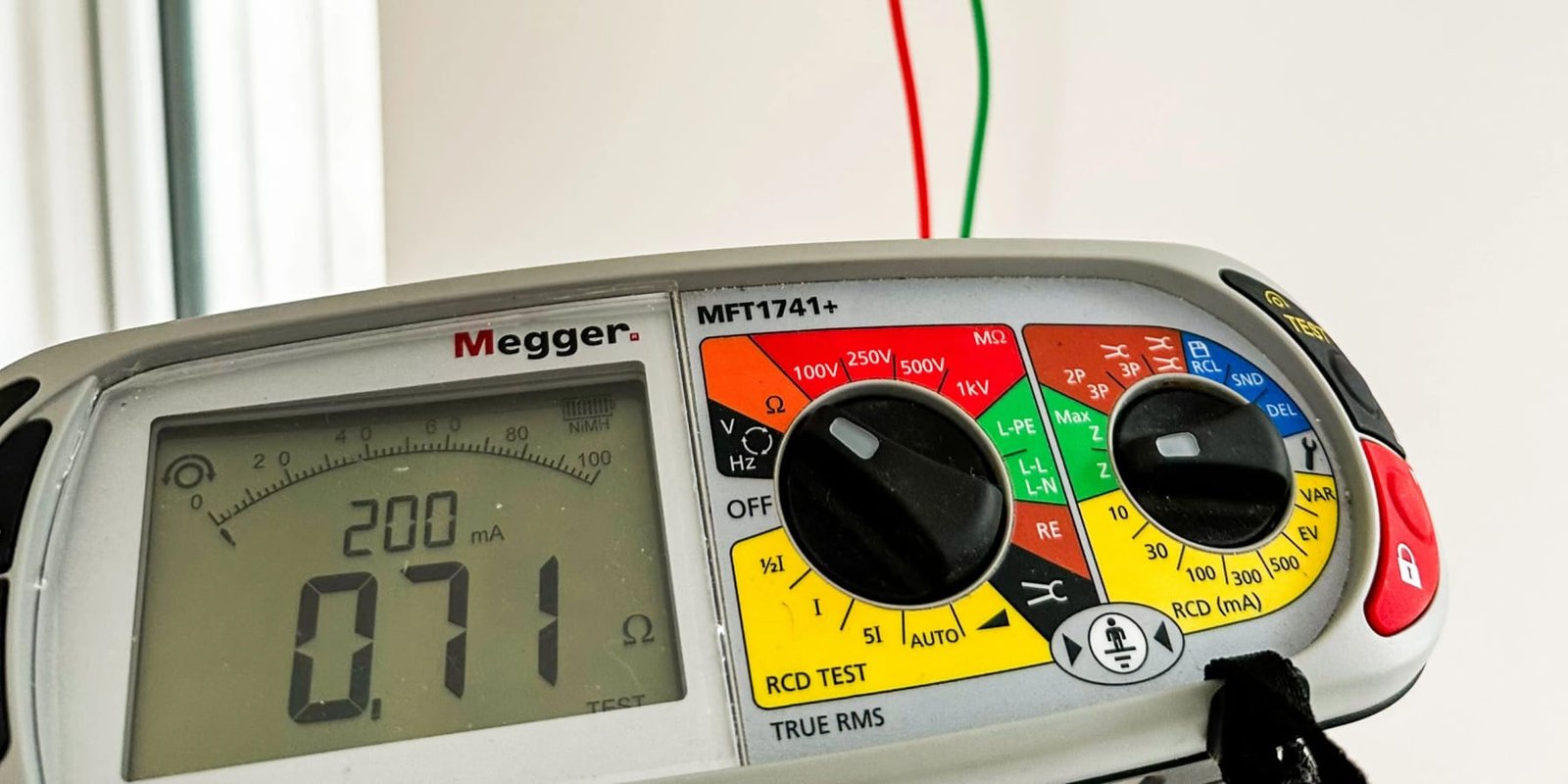
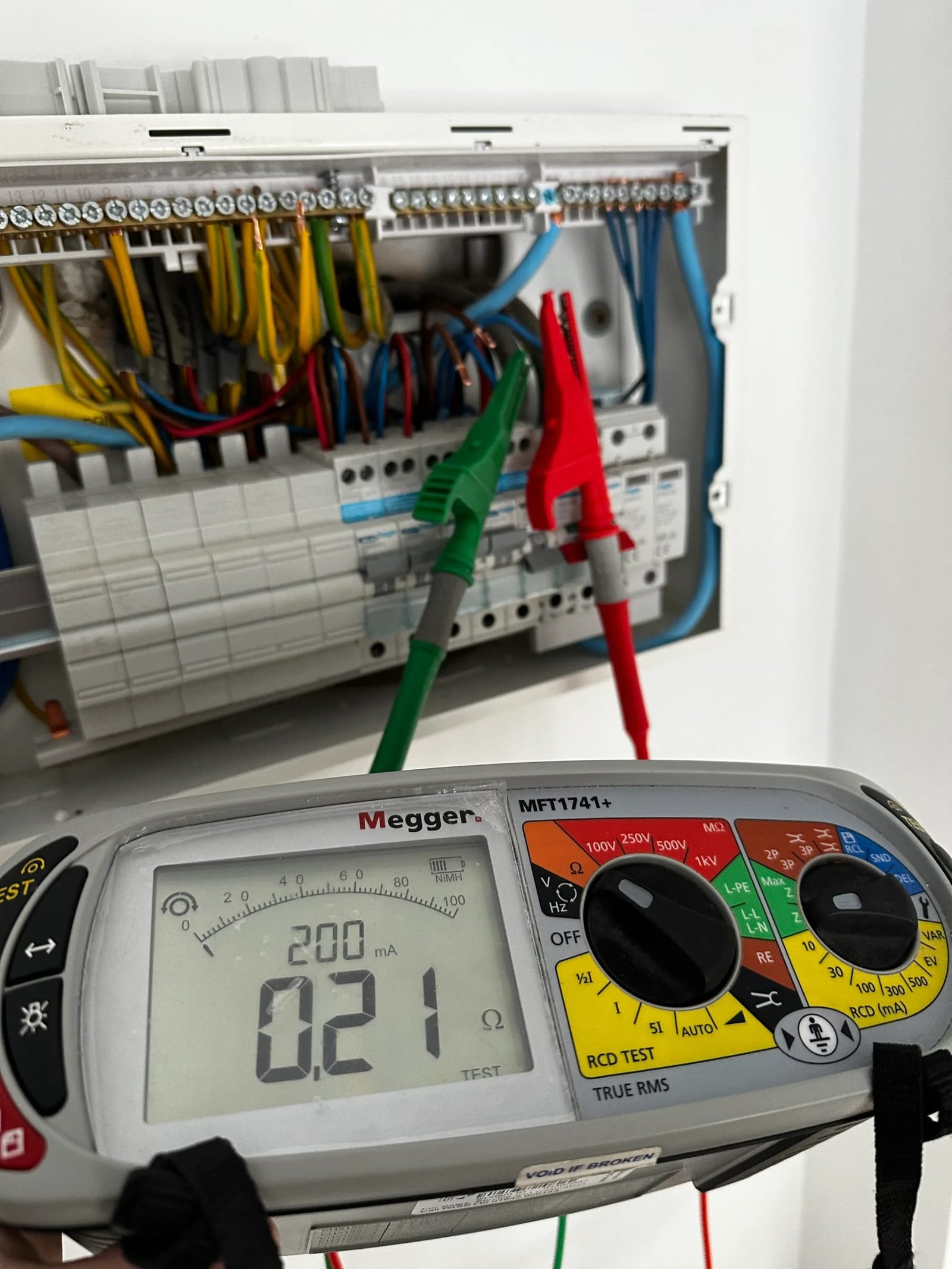
Continuity, insulation resistance, polarity, earth fault loop impedance and RCD timings on every circuit, recorded as we go.
Existing faults found
If testing reveals a circuit fault, we stop and talk to you. You get the reading, the explanation and a price, and you decide before anything else happens.
Certification and notification
An Electrical Installation Certificate with the full schedule of results, plus Part P notification of the work where it applies.
What an upgrade covers
Condition check first
A board is only as good as the wiring behind it. We test the circuits before quoting so nothing unpleasant appears halfway through.
RCBO protection per circuit
Individual protection so a fault on one circuit does not disconnect the rest of the property.
Metal enclosure to BS 7671
Non-combustible consumer units as required for domestic installations under the current amendments.
Surge protection where useful
An SPD protects sensitive electronics from transient overvoltage. We will tell you honestly whether it is worth it for your property.
Main bonding checked
Gas and water bonding is verified and upgraded to the correct size if it is undersized or missing.
Labelled and certified
Every way clearly labelled and an Electrical Installation Certificate issued with the full schedule of test results.
Protection has moved on
A rewireable fuse from the seventies will still clear a dead short. What it will not do is notice current leaking to earth through a person. RCBOs disconnect in under 40 milliseconds, circuit by circuit, so one fault no longer blacks out the whole house.
Every upgrade includes testing the wiring behind the board first, because a new enclosure on tired cable is a cosmetic job, not a safety one.
Board upgrade prices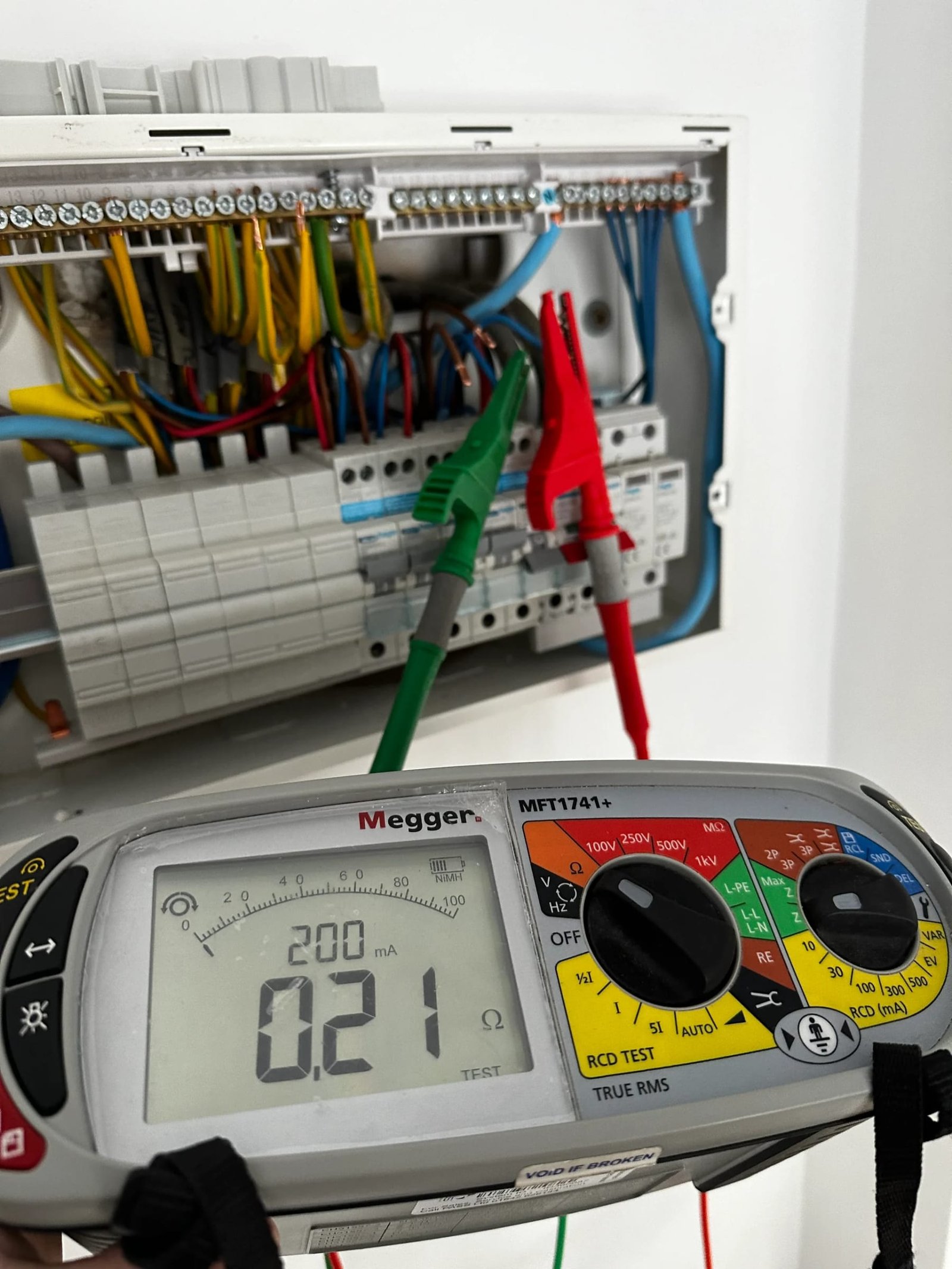
Surge protection, assessed honestly
SPDs protect the electronics a home now runs on. We tell you plainly where one is required and where it is simply worth having.
About EICR testing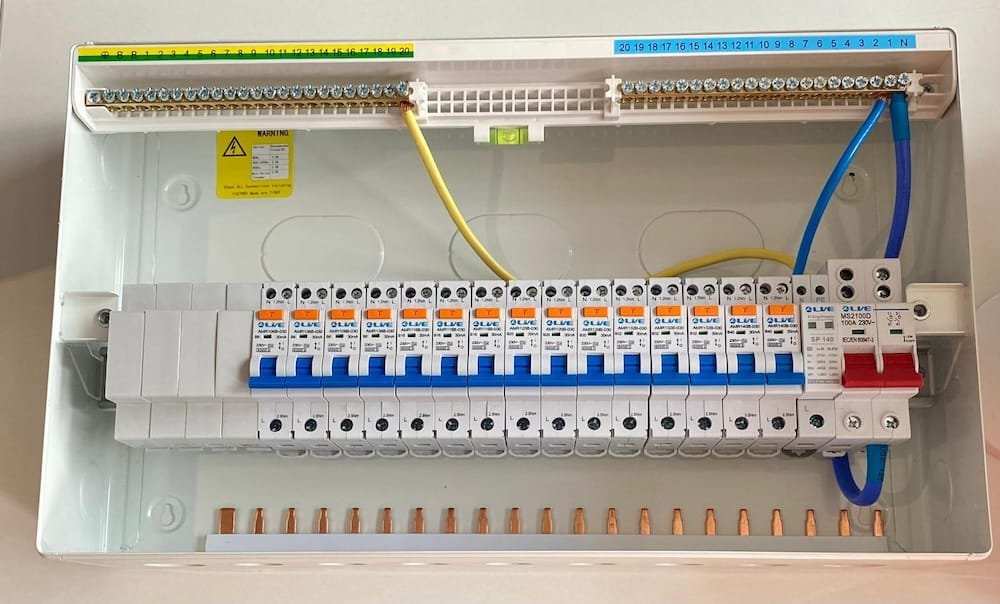
Ceramic carriers and fuse wire
If you pull out a carrier and find fuse wire, the board predates modern protection entirely. It will clear a dead short and nothing else: no earth leakage detection, no protection for a person touching a live part. This is the clearest case for an upgrade.
Upgrade pricesOne or two test buttons
A plastic board with a couple of test buttons splits the house in half behind two RCDs. Better than nothing by a wide margin, but a single fault anywhere still takes out half your circuits, freezer and boiler included.
Why it keeps trippingA test button on every device
A metal enclosure with individual RCBOs is the current standard. Each circuit has its own overload and earth leakage protection, so a faulty kettle disconnects the kitchen ring and leaves the rest of the house running.
Get yours testedConsumer units, in detail
Every board tells you its age and its abilities at a glance, once you know what to look for.
How to read the board you have now
Open the cupboard and look. Ceramic or bakelite carriers with fuse wire inside mean a rewireable board, and a design older than most of the people living with it. A row of switches but no test button means MCBs with no earth leakage protection at all. A plastic board with one or two test buttons is a split load design: better, but one fault still drops half the house.
A metal board with a test button on every device is the current standard: individual RCBOs, one circuit per device, one fault per trip.
None of the older boards is automatically dangerous. What they are is blind to the fault types that hurt people, and every year of DIY additions and tired terminals raises the odds. The board is also the cheapest place in the whole installation to buy real safety.
What the current regulations expect
The wiring regulations have pushed consumer units hard in the last decade, and for good reasons that came out of fire data.
- Non-combustible enclosures: domestic boards are metal now, so a failing termination is contained rather than fed.
- Surge protection: the current edition expects an SPD in most new domestic boards unless a documented assessment says otherwise. Modern homes are full of electronics worth protecting.
- Arc fault detection: AFDDs listen for the electrical signature of arcing and are required in some higher risk residential settings, with a strong case for considering them anywhere.
We fit what the regulations require, explain what they merely recommend, and put the difference in writing so the choice is genuinely yours.
How the day runs
Survey and quote
We inspect the existing board, test the circuits and give you a fixed price including any remedials found.
Supply isolated
Where the cut-out needs pulling we arrange it properly with your supplier rather than breaking a seal.
New unit installed
Circuits are transferred one by one, identified and labelled as they go.
Full test sequence
Continuity, insulation resistance, polarity, loop impedance and RCD timings on every circuit.
Certificate issued
You receive an Electrical Installation Certificate with the schedule of test results and the Part P notification.
What an upgrade looks like
Three consumer units of the kind we are asked to replace, and what changing them actually involves.
Illustrative examples of work of this type, written to show how a job runs. They are not records of individual customers.
Fuse wire board with no earth leakage protection
Symptom: Ceramic fuse carriers with wire inside, no RCD anywhere on the installation, and a sale going through that has put the board under scrutiny.
What the testing shows: Pre-installation testing finds the circuits sound but the main bonding to gas and water undersized, which has to be corrected before a new board can be certified.
What we do: A non-combustible board with an RCBO per circuit goes in, bonding is upgraded to the right size, every way is labelled, and an Electrical Installation Certificate is issued with the full schedule of results.

One RCD taking out half the home
Symptom: The freezer, the boiler and the lights go off together, most often at the end of a washing machine cycle.
What the testing shows: Leakage is measured per circuit. No single appliance is at fault: several small leakages add up across the shared RCD until they cross its threshold.
What we do: The split load board is replaced with individual RCBOs so a leaky appliance disconnects only its own circuit, and the worst offending appliance is flagged to the customer for repair.
A board added to by three different hands
Symptom: Unlabelled ways, mixed device brands in one enclosure and a plastic box, with no paperwork for anything added over the years.
What the testing shows: Circuit identification and testing find an outbuilding fed from a lighting circuit, with no earth leakage protection and no means of isolation.
What we do: A metal board is installed, every circuit is identified and labelled as it is transferred, the outbuilding is put on its own protected circuit, and the results are recorded and certified.
What a board upgrade costs
Price is driven by the number of circuits, the condition of the wiring behind the board, and whether the earthing and bonding need bringing up to standard.
| Job | What it includes | From |
|---|---|---|
| Up to 6 way board | Metal enclosure, RCBOs, full test and certification | £575 |
| Up to 10 way board | Metal enclosure, RCBOs, full test and certification | £675 |
| With surge protection | As above with an SPD fitted and tested | £795 |
| Main bonding upgrade | Gas and water bonding brought up to the correct size | £140 |
| Earth rod installation | Where the supply type requires an installation earth electrode | £220 |
| Remedial circuit work | Quoted separately once pre-installation testing is complete | Varies |
TO CONFIRM: replace with your own pricing. Power is off for several hours on the day, so tell us in advance about home working, medical equipment or a full freezer.
BS 7671, without the jargon
BS 7671 is the national standard for electrical installation, currently in its 18th Edition with amendments. It is not law in itself, but Building Regulations point at it, insurers expect it, and courts treat it as the benchmark for what a competent job looks like.
What that means for you is simple: the board we fit, the devices in it and the tests we run are all specified by the same document, and the certificate we leave records that they were done. If a future electrician, insurer or buyer wants to check, the evidence is in your hands rather than in our heads.
TO CONFIRM: add your scheme registration number, public liability cover and the name and qualifications of the electrician who reviewed this page. Only list credentials you can evidence.
Questions we get asked
Straight answers to the things people ask before they book. Anything else, the phone is quicker than a form.
How long does a fuse board change take?
A straightforward domestic board is a day. If the testing turns up circuit faults that must be corrected first, we tell you before we start rather than halfway through.
Will my power be off all day?
Not all day, but expect several hours without supply. We can plan around a home worker or a fridge freezer if you tell us in advance.
Do I have to have surge protection?
It is not mandatory in every case. We will explain where the regulations expect it and where it is a sensible option rather than a requirement.
What if my wiring fails the tests?
A new board on faulty wiring is not safe and cannot be certified. We give you the readings, explain what is required, and quote the remedial work separately.
Is the work notified to Building Control?
Yes. A consumer unit replacement is notifiable, and we register it under Part P on your behalf.
What is an AFDD and do I need one?
An arc fault detection device listens for the electrical signature of arcing, the sparking at a damaged cable or loose terminal that starts fires but is too brief to trip a breaker. The current regulations require them in some higher risk residential buildings such as HMOs, and treat them as worth considering elsewhere. We will tell you plainly which side of that line your property sits on.
Can you just add one extra circuit to my old fuse board?
Sometimes, if there is a spare way and the board passes inspection. But be ready for an honest conversation: any new circuit must meet current regulations, including RCD protection the old board may not be able to provide. Where the board cannot support it safely, we say so and price both routes, rather than bolting new work onto a foundation that is due for retirement.
Why does my new board trip when the old fuses never did?
Because the old fuses could not see the faults that were already there. Rewireable fuses only react to big overcurrents. The RCBOs in a modern board also watch for current leaking to earth, and a tired immersion element or damp outside light that has been quietly leaking for years gets caught on day one. The fix is finding the leak, never loosening the protection.
Fuse board and RCD upgrades across Sussex
One emergency line covers every town below. Yours has a page of its own, with local response targets and the postcodes we reach.
Other things we fix
24 hour emergency call-outs
One number, answered by a person, day or night. If you have no power, a burning smell from a socket, or a fuse board that will not reset, this is the emergency electrician call-out you want. We cover Lewes and the rest of Sussex around the clock, including weekends and bank holidays.
Read more
Fault finding and repairs
An RCD that keeps tripping, sockets not working, lights flickering, or power dropping out for no obvious reason. Intermittent electrical faults are the ones that cost people money. We use continuity, insulation resistance and RCD testing to prove the cause rather than guess at it, then repair it once and retest.
Read more
Rewiring and part rewires
Full house rewires and part rewires for properties with rubber, lead or failing early PVC cable, or lighting circuits with no earth. Cable does not last forever, and the test readings tell you whether yours has anything left. Most rewires take two to five days, with power back on each evening.
Read moreOld fuse board with no RCD? Get it looked at before it fails.
Trusted emergency electricians in Sussex
We have been covering Sussex for 25 years. In that time the wiring regulations have moved through several editions and consumer units have changed shape more than once, while the faults themselves have stayed much the same: loose connections running hot, tired cable, and protection that was never fitted in the first place.
That experience is the difference between guessing and knowing. It is also why we can usually tell you on the phone whether a fault needs a van tonight or a booking on Tuesday, which saves you the out of hours rate more often than you might expect.
TO CONFIRM: add the year you started trading, your scheme registration number and your public liability cover. Only list credentials you can evidence.